The Intersection of Artificial Intelligence and Internet of Things (AIoT)
The intersection of Artificial Intelligence and the Internet of Things, referred to as AIoT, represents a significant evolution in technology. This synergy enhances data processing and automates routine tasks, reshaping various sectors. Smart homes and efficient healthcare are just the beginning of AIoT’s impact. However, challenges and ethical dilemmas accompany these advancements. Understanding these complexities is crucial to navigating the future of AIoT and its implications for society. What lies ahead in this rapidly changing landscape?
Understanding AIoT: Definitions and Key Concepts
The convergence of artificial intelligence (AI) and the Internet of Things (IoT) has birthed a transformative paradigm known as the Artificial Intelligence of Things (AIoT).
This integration enhances decision-making through data analysis and automation. Key components include smart devices, connectivity, and cloud computing.
The AIoT benefits encompass increased efficiency, predictive maintenance, and personalized user experiences, empowering individuals and organizations alike.
See also: rapelusr
Applications of AIoT in Everyday Life
Everyday life is increasingly intertwined with the applications of the Artificial Intelligence of Things (AIoT), enhancing convenience and efficiency across various domains.
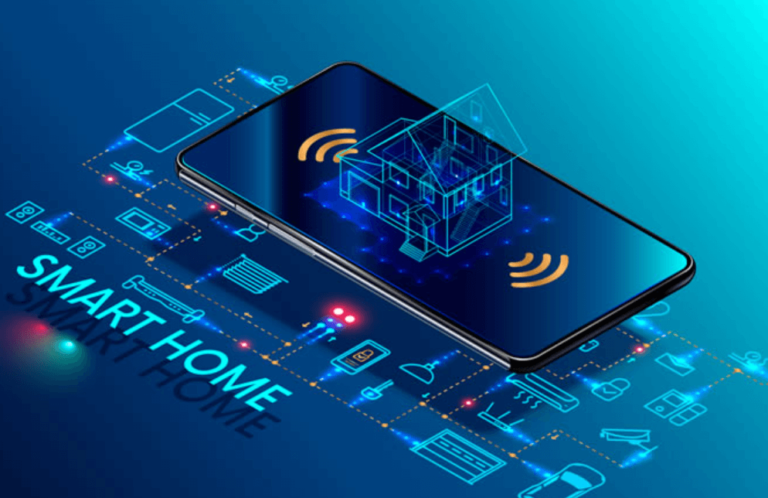
Smart homes leverage AIoT for security and energy management, while wearable devices track health metrics.
In healthcare solutions, industrial automation streamlines processes, and smart cities improve urban living.
Agricultural technology optimizes yields, and transportation systems enhance mobility, showcasing AIoT’s transformative impact.
Challenges and Ethical Considerations in AIoT
While the integration of AIoT into daily routines offers numerous benefits, it also brings forth a range of challenges and ethical considerations that warrant careful examination.
Issues such as data privacy, algorithm bias, and security vulnerabilities raise significant ethical implications.
Additionally, the need for robust regulatory frameworks, user consent, transparency issues, and accountability mechanisms are crucial to navigate the complexities of AIoT responsibly.
The Future of AIoT: Trends and Innovations
How will the convergence of artificial intelligence and the Internet of Things reshape the technological landscape?
The future of AIoT promises transformative innovations, including smart cities that optimize urban living, predictive maintenance enhancing industrial automation, and personalized healthcare tailored to individual needs.
These advancements not only drive efficiency but also grant individuals greater autonomy, fostering a more interconnected and responsive world.
Conclusion
As AIoT continues to evolve, its profound impact on daily life is akin to the invention of the wheel, enabling unprecedented connectivity and efficiency. This integration promises to redefine productivity and personalization across various sectors. However, as with any technological advancement, it is crucial to navigate the challenges and ethical considerations that arise. The future of AIoT holds immense potential, urging society to balance innovation with responsibility as we march forward into an increasingly automated world.