
Global Trade Insights 120978258, 9085056898, 1473956300, 18004246888, 644105627, 665277232
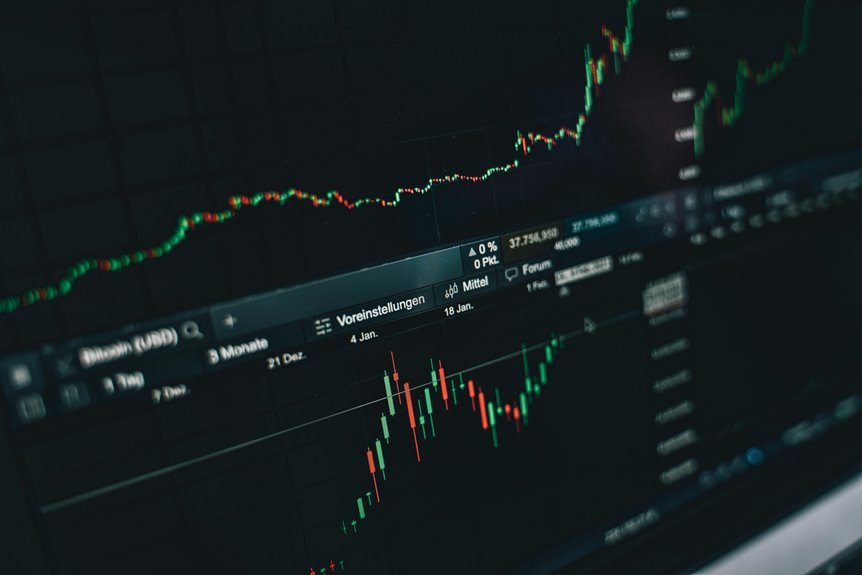
Global trade insights reveal significant figures that reflect the complexities of international commerce. The statistics, such as 120978258 and 9085056898, illustrate market fluctuations and economic health. These numbers are critical for understanding underlying trends and their implications on global trade dynamics. As stakeholders analyze this data, new strategies must be considered. However, the evolving landscape presents challenges that require further examination to ensure adaptability and competitiveness. What factors will shape the future of trade?
Understanding Trade Figures: What Do They Mean?
Although trade figures can often appear complex, they serve as crucial indicators of a country’s economic health and its position in the global market.
Effective figure interpretation relies on trade data, revealing patterns and shifts that inform policymakers.
Statistical analysis of these economic indicators facilitates a deeper understanding of trade dynamics, empowering nations to make informed decisions that enhance their economic freedom and competitiveness.
Analyzing Market Trends and Patterns
How can market trends and patterns be effectively analyzed to forecast future trade movements?
By scrutinizing market fluctuations and understanding consumer behavior, analysts can identify key indicators that predict shifts in demand and supply.
Utilizing data analytics, trend lines, and historical patterns enables stakeholders to make informed decisions, optimizing their strategies to adapt to evolving market dynamics in an increasingly interconnected global economy.
Impact of Global Trade on Local Economies
What are the tangible effects of global trade on local economies?
Global trade influences trade balance and drives economic growth by enhancing market accessibility. It creates local employment opportunities while affecting consumer prices through competitive supply chains.
However, reliance on global networks can expose local economies to external shocks, illustrating the delicate interplay between global dynamics and local economic stability.
Future Challenges in International Commerce
As global commerce continues to evolve, significant challenges loom on the horizon that could reshape international trade dynamics.
Disruptions in supply chains, the rise of digital currency, and shifting trade policies complicate transactions.
Additionally, stringent environmental regulations and escalating geopolitical tensions may hinder market access, particularly for emerging markets, ultimately impacting global trade efficiency and fostering uncertainty in international commerce.
Conclusion
In the realm of global trade, statistics serve as the compass guiding economic navigation. Just as a ship adjusts its sails in response to shifting winds, businesses must adapt their strategies based on data like the staggering 18 trillion in trade figures. This adaptability is crucial; failure to heed these insights can lead to economic turbulence, akin to a vessel caught in a storm. Thus, understanding and responding to trade dynamics is essential for sustained competitiveness in the global marketplace.